
/ 01
Web application penetration testing
Authenticated user journeys, admin functions, sessions, file handling and business logic tested manually beyond a generic vulnerability scan.
Find the vulnerabilities a scanner misses before a customer, auditor or attacker finds them for you. We test authentication, authorisation, business logic and tenant isolation, then give your developers evidence they can reproduce and fixes they can ship.
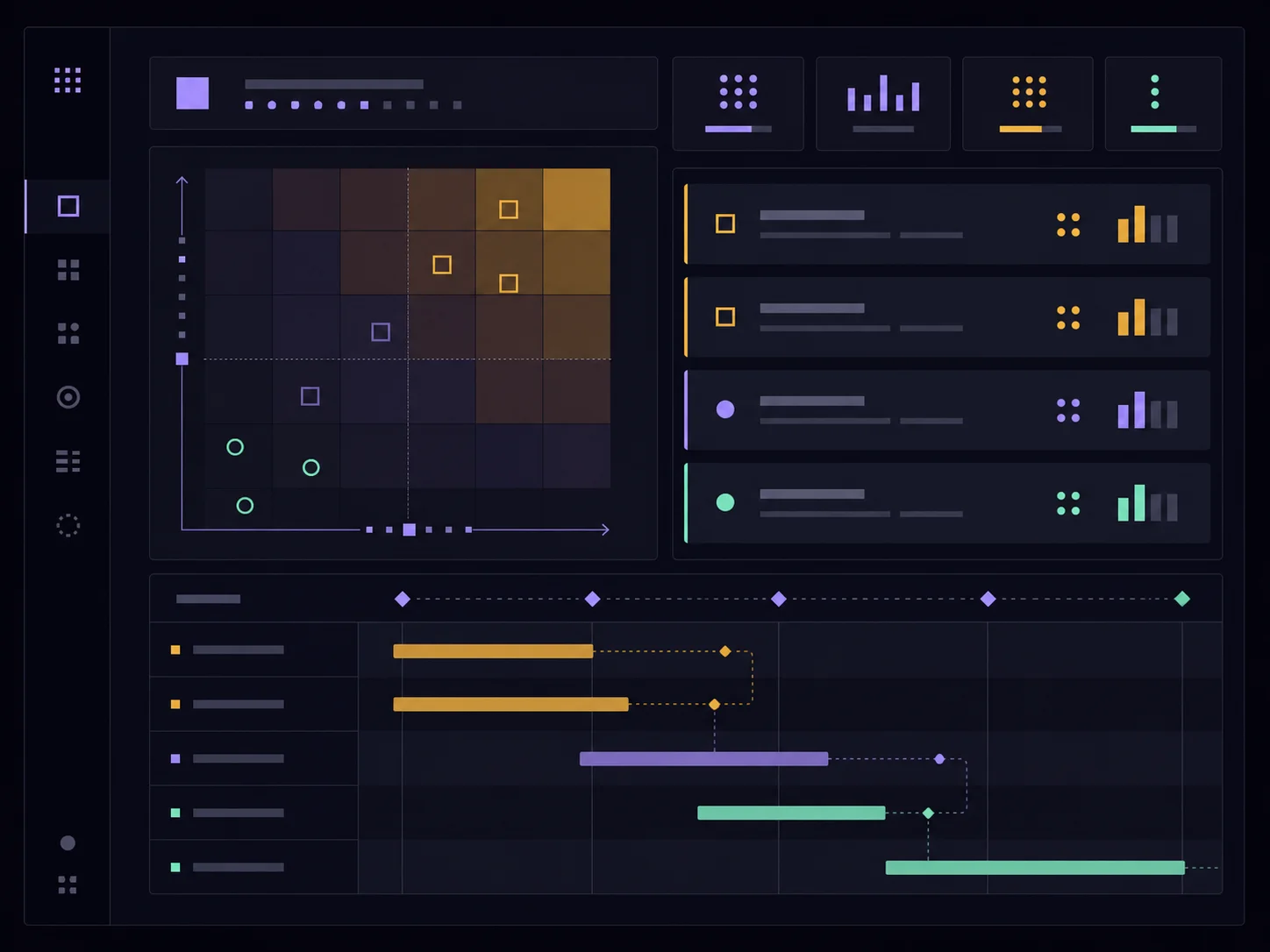
A clearly authorised assessment shaped around the assets, user roles and business risks that matter to you.
Authenticated user journeys, admin functions, sessions, file handling and business logic tested manually beyond a generic vulnerability scan.
REST, GraphQL and backend APIs assessed for broken authorisation, data exposure, injection, rate-limit weaknesses and abuse of intended functionality.
Tenant isolation, role boundaries, invitations, support tooling and privilege changes tested across the flows that can expose one customer's data to another.
Internet-facing services, cloud configuration and exposed administration paths reviewed to identify the routes an attacker is most likely to try first.
Clear scope, manual validation and a direct route from confirmed finding to verified fix.
We agree the targets, test accounts, exclusions, production safeguards and success criteria in writing. A short threat-model session highlights the data and actions an attacker would value most.
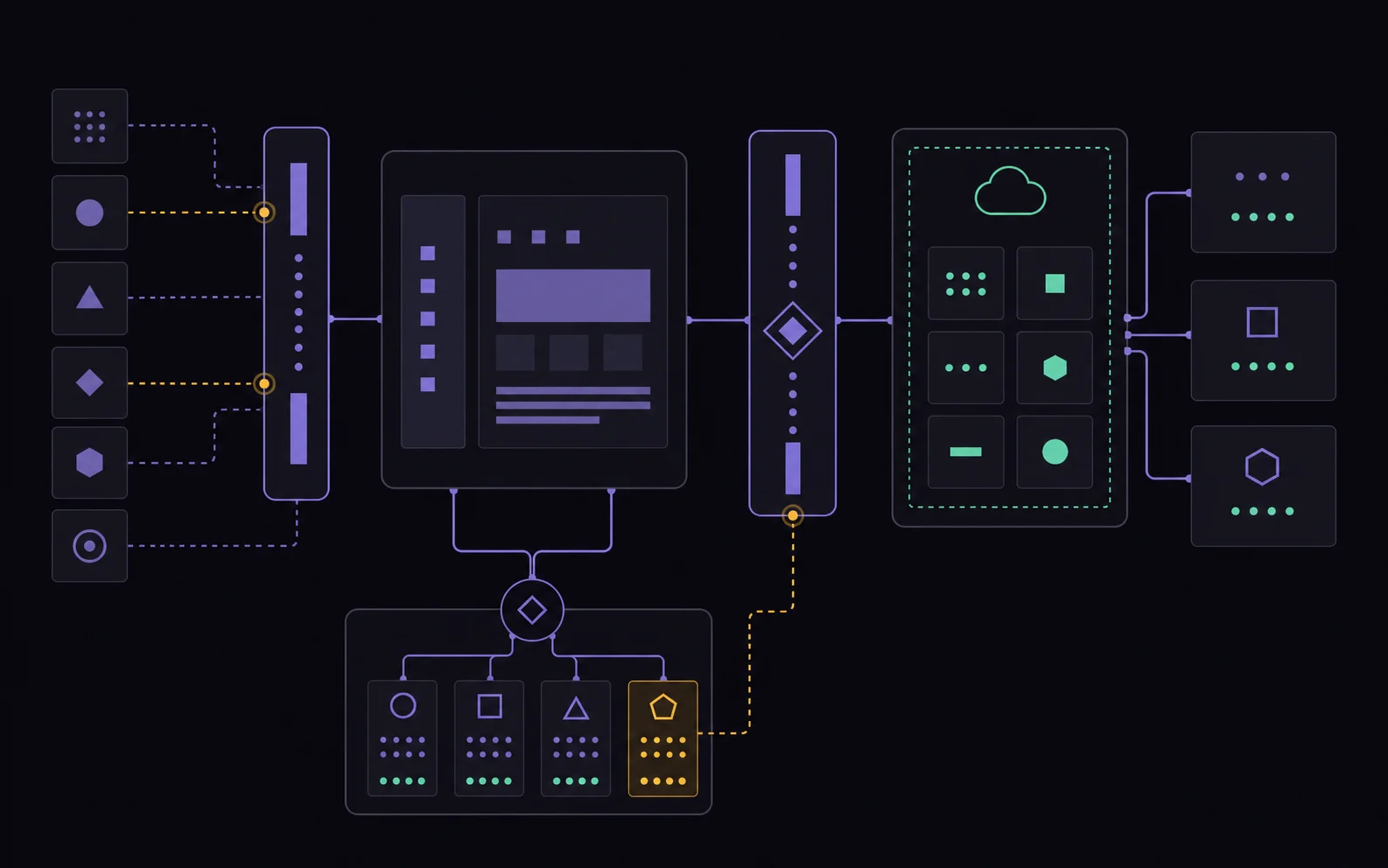
Automated tools support coverage; they do not replace judgement. We test access controls, workflows and business logic manually, remove false positives and communicate critical findings immediately rather than waiting for the final report.
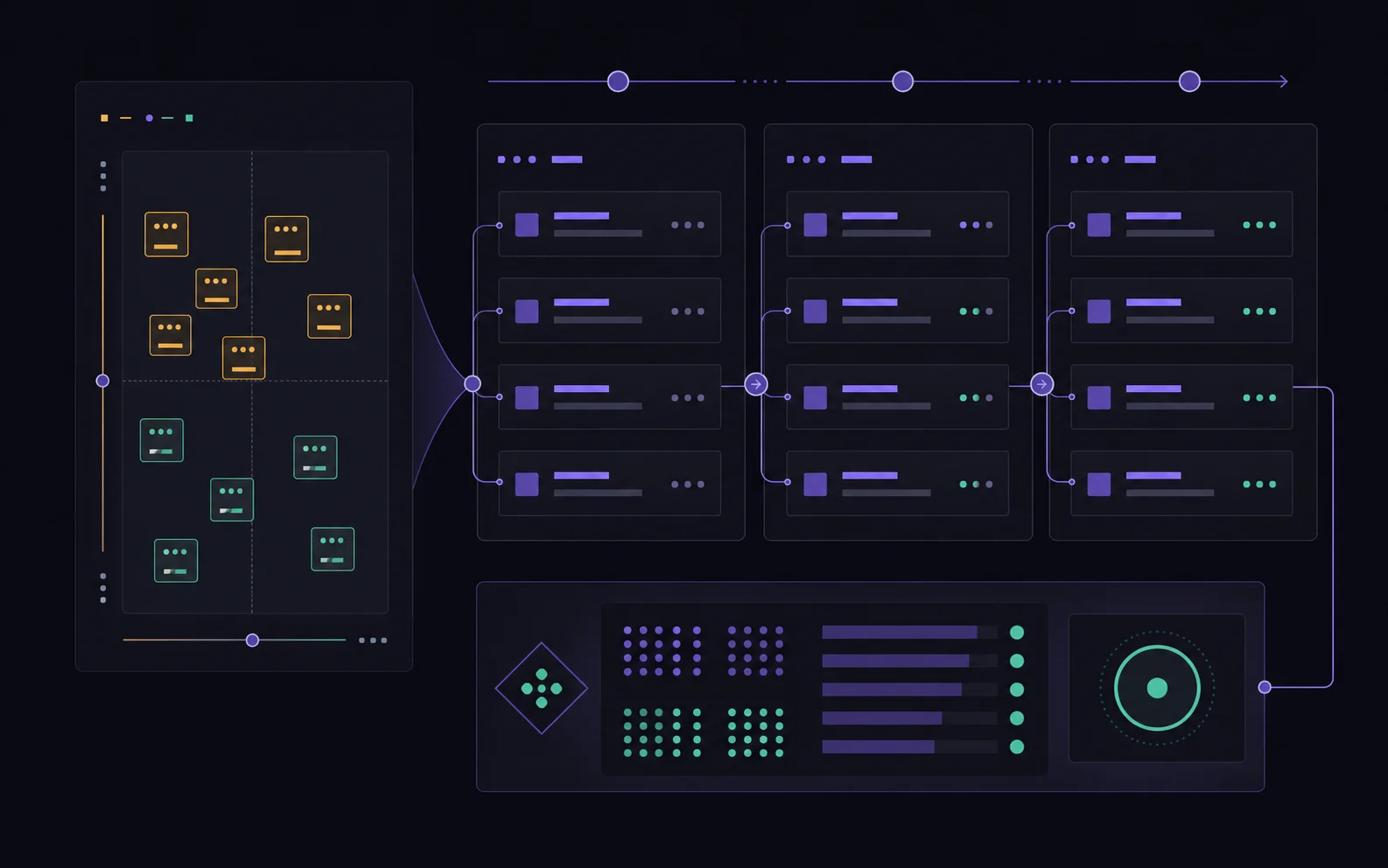
You receive an executive summary and technical findings with evidence, impact and practical remediation guidance. We walk your developers through the report and verify agreed fixes during retesting.
The strongest engagements start with a business reason and a deadline, not a vague instruction to ‘check security’.
Test authentication, payments, sensitive workflows and administrative controls before real customer data reaches the platform.
Give a prospective customer or procurement team credible evidence that the application has received independent security testing.
Support your risk treatment and assurance work with a defined scope, methodology, findings and remediation evidence.
Reassess the attack surface after a new API, authentication provider, mobile app, cloud migration or significant change in user roles.
Security testing informed by hands-on software architecture, multi-tenant systems and production delivery.
BSI-certified Lead Auditor training brings an assurance and risk-management lens to the technical assessment.
Multi-tenant data isolation designed and enforced at the database layer on a production SaaS.
Recommendations come from someone who also architects and ships software, so the fix accounts for your codebase, release pressure and engineering trade-offs.
What buyers and engineering teams usually need to know before approving a test.
A focused web application or API assessment often takes several testing days, followed by reporting and a remediation walkthrough. The exact duration depends on user roles, functionality, API surface and the agreed depth. We confirm the effort after a short scoping call.
A scanner checks for recognisable technical patterns at scale. A penetration test adds manual investigation, authenticated workflows, access-control checks and business-logic testing, then validates whether a weakness is genuinely exploitable and what it means to the business.
We can test production when that is the right environment, but only with written authorisation, agreed exclusions, safe test data and communication procedures. Where production risk is too high, we use a representative staging environment and confirm the important configuration differences.
The report includes scope and methodology, an executive summary, prioritised findings, evidence, affected assets, business and technical impact, reproduction guidance and recommended remediation. Critical issues are raised during testing rather than held until the report.
Yes. We include a technical walkthrough and practical remediation guidance, and we can support implementation where requested. Retesting verifies whether agreed fixes close the original issue without introducing a new weakness.
Send the context first or book a working session now. Either way, you'll get practical advice from the people who build and secure the systems.
Prefer email? team@umbrapenance.com